Maritime Injury
Maritime work offers rewarding opportunities offshore and a dependable livelihood, yet it carries the inherent risk of unforeseen accidents and injuries. In Alaska and Washington State, where the maritime industry flourishes, injuries sustained in these professions require the expertise of a legal advocate well-versed in the complexities of maritime law. As a dedicated maritime injury lawyer, I am prepared to assist you. Contact me today to begin addressing your case with the attention and skill it deserves.
Why Trust Me?
If you've been injured while working on a ship or at sea, you need a lawyer who knows maritime law and will fight hard for you. I graduated with honors from Seattle University School of Law, where I learned how to build strong legal arguments to win cases. I worked as a law extern in a federal court in Western Washington, seeing firsthand how judges make decisions. I also worked at a law firm that represented big national clients, so I understand how insurance companies try to shortchange workers like you. I'm ready to stand up to them on your behalf.
Maritime Law Expertise
I specialize in cases like yours, including Jones Act claims, to get you the maintenance, cure, and compensation you're owed after an injury.
Defense Experience
With experience at a maritime law firm, I know how maritime employers and insurers try to limit payouts, and I'll use that knowledge to fight for every dollar you deserve.
Maintenance and Cure Knowledge
I understand your right to maintenance (living expenses) and cure (medical care) under maritime law, ensuring you get the full benefits you're entitled to while you recover.
Direct Support
You'll work directly with me, not a paralegal, so I can focus on your specific situation and keep you in the loop every step of the way.
Jones Act Expertise
I specialize in Jones Act cases, helping injured seamen like you secure maintenance, cure, and fair compensation for injuries caused by employer negligence or unseaworthy vessels.
Contingency Fee Basis
I operate on a contingency fee basis, meaning you do not pay upfront legal fees. My compensation is contingent upon securing a successful outcome for your case—only when you win do I receive a percentage of the settlement or award. This approach alleviates financial pressure during an already challenging time, allowing you to focus on recovery rather than costs. With over ten years of experience, I am committed to maximizing your recovery, ensuring my interests align with yours.
Free Consultation: (425) 675-1224View Full PricingMaintenance
Did you know that if you get hurt while working on board a vessel and cannot work, you have right to a stipend that pays for your food and lodging?
Cure
Did you know that if you become sick while working on board a vessel and cannot work, you must receive a stipend that pays for your food and lodging?
I Can Protect Your Rights
Navigating its complexities requires more than general legal knowledge; it demands precision, experience, and a deep understanding of the unique rules that govern the seas. If your lawyer doesn't know the difference between Jones Act claims and general negligence—or how maritime jurisdiction can make or break your case.
I've spent years immersed in maritime law. I know the tides, the traps, and the tactics that get results. When your livelihood, your job, or your injury claim is on the line, you need someone who knows how to fight in this arena—and win. I don't just know what the law says you deserve. I know how to make sure you get it.
How the Jones Act Differs from Regular Civil Law
If you're a maritime worker injured on the job, you may wonder why your case falls under the Jones Act instead of standard civil law, like most personal injury cases. The Jones Act (Merchant Marine Act of 1920) is a federal law designed specifically to protect seamen—workers like deckhands, fishermen, or offshore rig workers—and it differs significantly from regular civil law in ways that directly affect your rights and recovery.
Who It Covers
The Jones Act applies only to "seamen," meaning workers who spend a significant portion of their time working on a vessel in navigation, such as ships, barges, or rigs. Regular civil law covers land-based workers, like those injured in car accidents or workplace incidents, without requiring this specific maritime connection. As a maritime lawyer, I can determine your seaman status to ensure you benefit from the Jones Act's protections.
Proving Negligence
Under the Jones Act, you only need to show that your employer's negligence contributed to your injury, even slightly, to recover compensation. This is a lower burden of proof than in regular civil law, where you often must prove the defendant was primarily at fault. Additionally, the Jones Act allows claims for "unseaworthiness," holding shipowners accountable for unsafe vessel conditions, which has no equivalent in standard civil law.
Types of Benefits
The Jones Act provides unique benefits like maintenance (daily living expenses) and cure (medical care) to support injured seamen until they reach maximum medical improvement. Regular civil law doesn't offer these specific maritime benefits, typically focusing on lump-sum damages for pain, suffering, or lost wages. My experience ensures you receive the full scope of Jones Act benefits, tailored to your maritime injury.
My specialized knowledge of the Jones Act allows me to navigate its unique protections to secure the compensation and support you're entitled to as a maritime worker. Unlike general personal injury lawyers, I understand these distinctions and will fight to maximize your recovery under maritime law.
Call me at 425-675-1224My Experience Defending National Maritime Companies Works for You
When choosing a lawyer for your maritime injury case, you want someone who knows the industry inside and out. I previously worked at a defense law firm representing the insurance companies of large national maritime employers, giving me a unique edge in fighting for you. This experience means I understand the strategies these companies and their insurers use to minimize payouts or deny claims, whether it's questioning your status as a seaman under the Jones Act or downplaying the unseaworthiness of a vessel. I've seen their playbook firsthand and know how to counter it effectively.
At Amy C. Brown Law, I use this insider knowledge to build a strong case for you, whether you're seeking maintenance, cure, or compensation for your injuries. My background defending maritime companies allows me to anticipate their moves and fight for the full benefits you're entitled to under maritime law. Trust me to turn my experience into your advantage, ensuring you get the justice and support you deserve.

Why Maritime Workers Need a Lawyer with Maritime Law Experience
Navigating Complex Maritime Laws
Maritime law, including the Jones Act, general maritime law, and the Longshore and Harbor Workers' Compensation Act, has specific requirements and protections not found in standard personal injury law. A lawyer with maritime experience understands how to apply these laws to secure benefits like maintenance (living expenses), cure (medical care), and damages for employer negligence or unseaworthy vessels, ensuring you don't miss out on what you're entitled to.
Investigating Maritime-Specific Issues
Maritime injuries often involve unique issues like unseaworthiness or unsafe working conditions on ships, rigs, or docks. A lawyer experienced in maritime law knows how to investigate these claims, gather evidence like vessel logs or safety records, and hold shipowners accountable, unlike a general injury lawyer who may lack the expertise to address these maritime-specific factors.
Countering Maritime Insurance Tactics
Insurance companies for maritime employers are skilled at minimizing payouts, often using tactics unique to the industry, such as disputing your status as a "seaman" under the Jones Act. A lawyer with maritime law experience, especially one who has worked with these insurance companies, knows their strategies and can fight effectively to protect your rights and maximize your compensation.
Helping Injured Maritime Workers in Washington and Alaska
The nation, in many ways, is dependent on the maritime industry. Without competent and well-trained maritime workers, much of the nation's function as a whole would come to a halt. For this reason, I believe that injured maritime workers deserve to be adequately compensated and provided with the resources they need to move on with their lives. If you've been hurt while holding a naval occupation, please don't hesitate to speak with me. I am a knowledgeable Everett personal injury lawyer at Amy C Brown Law with extensive offshore legal experience. I work in Alaska and Washington State and I handle a wide range of maritime injury cases.
High Risk Maritime Operations
Within the maritime industry, certain occupations are more prone to serious injury than others. Most of the maritime injury cases I see stem from the following occupations:
Why You Should Contact Me Now for Your Maritime Injury
If you've been injured while working on a ship, rig, or dock, reaching out to a maritime lawyer as soon as possible is critical to protecting your rights and securing the compensation you deserve. Delaying can jeopardize your case and limit your options.
Preserving Critical Evidence
Maritime injury cases, such as those under the Jones Act or general maritime law, often rely on evidence like vessel logs, safety reports, or witness statements. These can be lost, altered, or harder to obtain over time. Contacting me now allows me to start investigating immediately, ensuring key evidence is preserved to strengthen your claim.
Meeting Strict Deadlines
Maritime law has specific deadlines, such as statutes of limitations for filing Jones Act claims (46 U.S.C. § 30106) or Longshore and Harbor Workers' Compensation Act claims, which can be as short as one to three years depending on the case. Waiting too long risks missing these deadlines, potentially barring you from recovering maintenance, cure, or other compensation. I can ensure your claim is filed on time.
Securing Benefits Sooner
As an injured maritime worker, you're entitled to benefits like maintenance (living expenses) and cure (medical care) to support your recovery. Delaying contact with a lawyer experienced in maritime law could delay these payments, adding financial stress. By reaching out now, I can work quickly to secure the benefits you need to focus on healing.
Maritime Injury FAQs
Common questions about Jones Act claims, maintenance and cure, and maritime worker rights.
The Jones Act (46 U.S.C. § 30104) is a federal law that allows seamen injured due to employer negligence to sue for damages. Unlike regular workers' compensation, it lets you recover full compensation including pain and suffering, lost wages, and future earning capacity. You only need to prove your employer was slightly negligent.
Maintenance and cure is a maritime benefit that covers your daily living expenses (maintenance) and medical care (cure) if you're injured while working on a vessel. Unlike the Jones Act, you're entitled to these benefits regardless of fault—your employer must pay them until you reach maximum medical improvement.
You have 3 years from the date of your injury to file a Jones Act claim. However, I strongly recommend contacting an attorney immediately—evidence like vessel logs and witness statements can disappear quickly, and early action protects your rights.
To qualify as a seaman, you must spend at least 30% of your work time on a vessel in navigation and have a substantial connection to that vessel's operation. This includes deckhands, fishermen, tugboat crew, offshore rig workers, and many other maritime occupations. I can evaluate your specific situation.
Yes. Under the Jones Act, you can recover damages even if you were partially at fault. Your compensation will be reduced by your percentage of fault, but you can still recover. This is more favorable than many state laws that might bar recovery entirely.
The Jones Act typically provides much greater compensation than workers' comp. You can recover full damages for pain and suffering, which workers' comp doesn't cover. You can also sue for employer negligence and unseaworthiness, and there's no cap on damages.
Watch these videos to learn about your rights as a maritime worker and the Jones Act.

From Ship to Shore: Maritime Expertise
My journey from working on vessels to becoming a maritime injury advocate.
The Jones Act: Maintenance and Cure
What maintenance and cure means for injured seamen and how it impacts you.

Why Choose Me as Your Maritime Lawyer
My unique background representing both employers and injured workers.
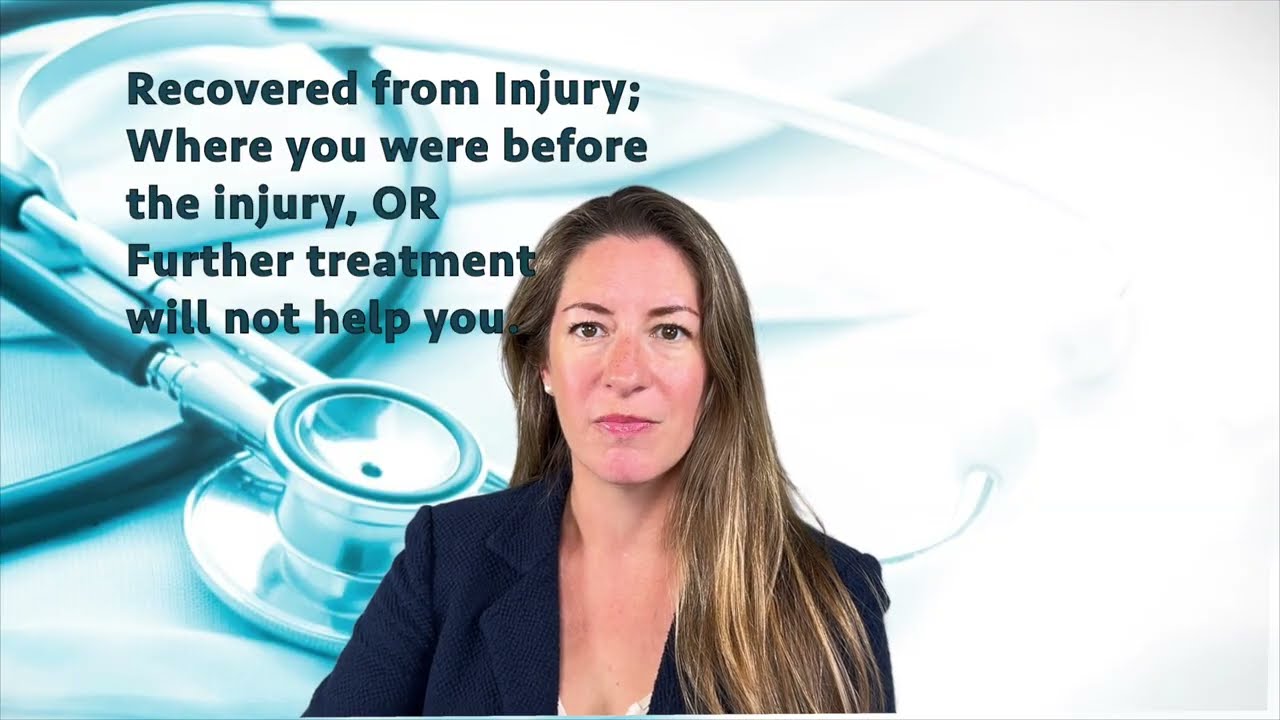
Maximum Medical Improvement (MMI)
When maintenance and cure benefits stop and what it means for your recovery.
Resources for Maritime Workers
Understanding the Jones Act and your maritime rights is crucial to getting fair compensation.
Understanding the Jones Act
Learn how the Jones Act protects maritime workers and what compensation you may be entitled to.
Read GuideMaintenance & Cure Benefits
Your employer owes you living expenses and medical care regardless of fault. Here's what you need to know.
Learn MoreWhat Is My Case Worth?
Use our free calculator to get an estimate of your potential compensation.
Try CalculatorLearn More About Me
I understand the unique challenges maritime workers face after an injury. Contacting me now means I can start fighting for your rights immediately, using my maritime law expertise to build a strong case and counter insurance company tactics. Don't wait—reach out today to protect your future and get the justice you deserve.
Call me at (425) 675-1224Page last updated: December 2025