Article Summary
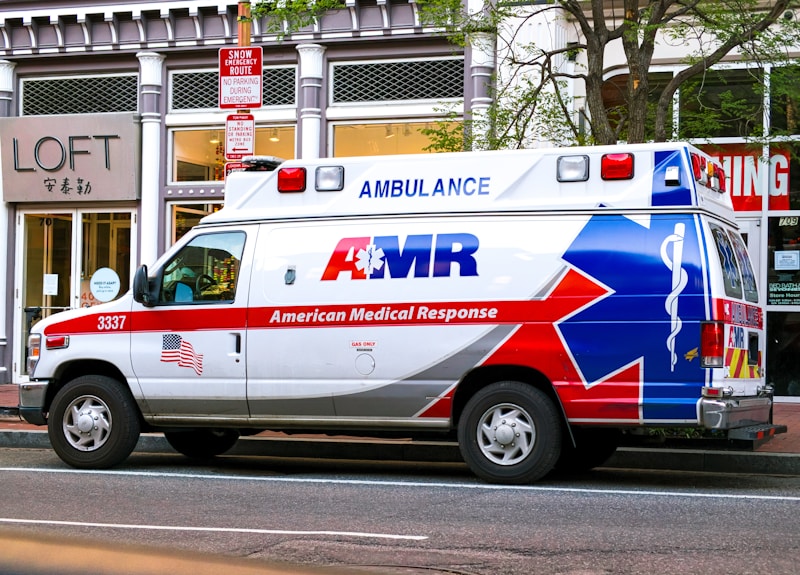
As a paramedic or EMT in Washington, you're on the front lines every shift — responding to crashes, medical emergencies, or violent scenes. Workers' compensation through L&I provides no-fault benefits for on-duty injuries, but when a third party's negligence causes harm (e.g., a driver striking your ambulance), you have rights to pursue extra compensation.
Under RCW 51.24.030, if someone not your employer or co-worker is liable for your injury, you can elect to seek damages from them while keeping L&I benefits.
Core Law: RCW 51.24.030 – Election to Pursue Third Party
Full statute: https://app.leg.wa.gov/rcw/default.aspx?cite=51.24.030
You (or beneficiary) may seek damages from the third person; notify L&I/self-insurer of any action.
Typical Third-Party Situations for Paramedics/EMTs
- Motorist causing collision with your rig (negligent driving, failure to yield).
- Property owner hazards (e.g., unsafe scene access leading to slip/fall or assault).
- Defective medical equipment or vehicle manufacturer issues.
- In rare cases, animal attacks or other external negligence.
Third-party claims allow recovery for pain/suffering, full lost wages beyond L&I caps, future care, and more — things workers' comp doesn't cover.
How It Plays Out
L&I gets reimbursed from any recovery for benefits paid. You retain the balance after fees/costs. Elect to handle it yourself (recommended for control) or assign to L&I.
Practical Steps After Injury
- File L&I Report of Accident promptly.
- Gather evidence: dashcam footage, police report, witness info.
- Note third-party potential on claim — get Election Form.
- Avoid statements to at-fault parties' insurers without advice.
- Contact a lawyer experienced in first responder claims.
Common FAQs
Does this hurt my L&I claim?
No — benefits continue; third-party is separate.
Statute of limitations?
3 years generally.
What about PTSD claims?
Separate occupational disease path exists for first responders (RCW 51.08.142), but third-party can supplement.
These roles demand so much — extra compensation can help when negligence adds to the burden. Call or text 425-675-1224 for a free review — straight answers, no pressure.
Related Resources
About the Author
Amy C. Brown
Personal injury attorney with 10+ years of experience, licensed in Washington State. Former defense attorney who now fights for injured individuals. Member of WSBA Solo & Small Practice Section.
Questions about your case? I personally respond to every inquiry.